

Common Pest Control Problems in Manhattan
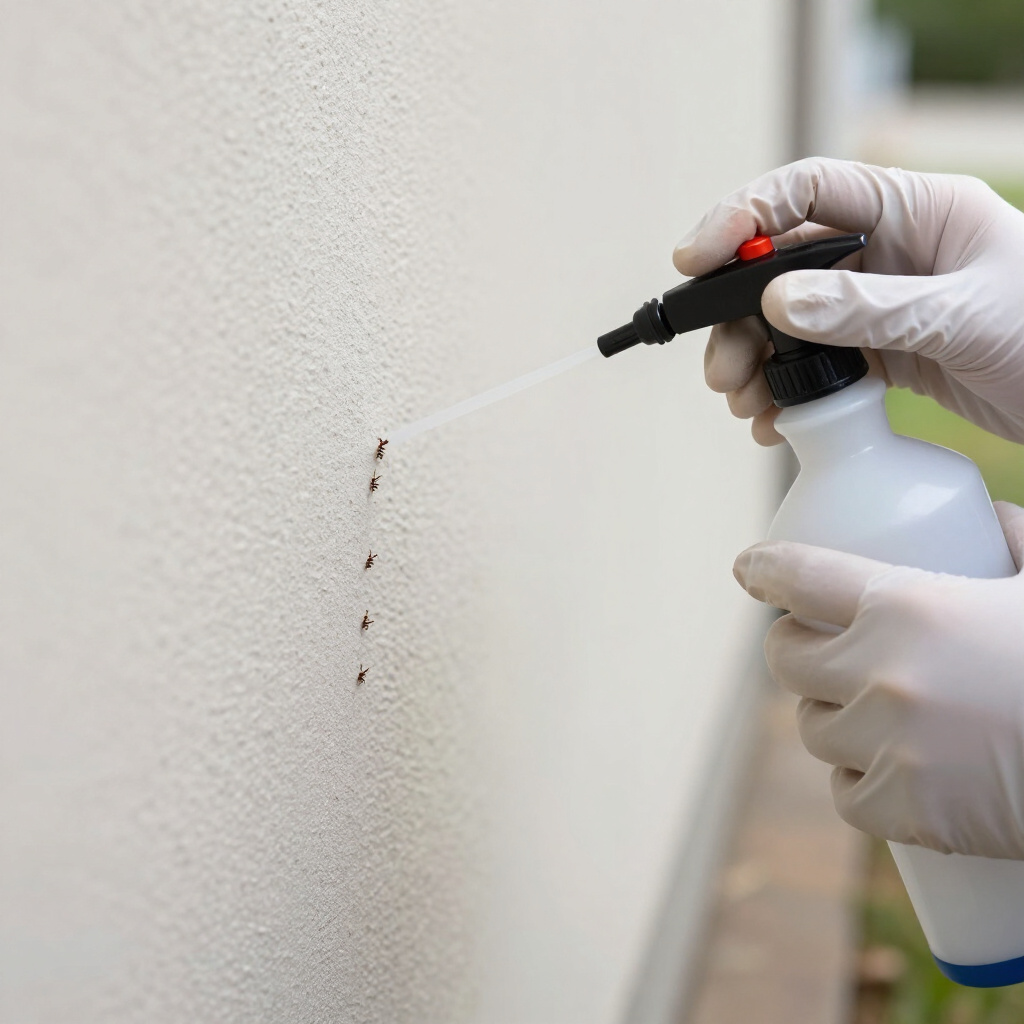
Living in the Flint Hills region means Manhattan homeowners deal with pest pressures that shift dramatically with Kansas seasons. Spring and summer bring ants marching through kitchen foundations, spiders establishing webs in basements and garages, and termites swarming during humid periods. The proximity to Tuttle Creek Lake and the Kansas River corridor creates ideal breeding conditions for mosquitoes that can make outdoor evenings unbearable.
Fall drives rodents and box elder bugs indoors as temperatures drop across Riley County. University housing turnover near K-State campus also accelerates bed bug introductions into residential neighborhoods. Older homes in the historic districts and new construction on the city's expanding west side each present unique vulnerabilities—aging foundations with gaps and settling cracks, or disturbed soil that pushes existing pest populations toward fresh structures.
Agricultural activity surrounding Manhattan means field mice, cricket surges, and occasional snake encounters are more common here than in urban Kansas centers. Without consistent prevention, these issues compound quickly in Riley County's variable climate.
How We Help Manhattan Homeowners
Our approach starts with understanding Manhattan's specific ecosystem. We inspect for foundation vulnerabilities common in limestone-affected soils, identify moisture points that attract pests near Tuttle Creek watershed properties, and treat with methods appropriate for households with pets, children, or livestock nearby.
We provide seasonal treatment schedules aligned with Kansas pest cycles—pre-spring barrier applications, summer mosquito reduction programs, fall perimeter sealing and rodent exclusion, and winter monitoring for indoor activity. For K-State rental properties and student housing, we offer discrete bed bug response and preventive education for tenants.
Every treatment plan includes exclusion recommendations: sealing entry points, adjusting landscaping to reduce harborage, and moisture control guidance specific to Manhattan's clay-heavy soils and periodic flooding risks.
Pest Control Services Available in Manhattan
- Residential Pest Control — Quarterly and bi-monthly protection plans
- Termite Inspection & Treatment — Liquid barriers and monitoring systems
- Bed Bug Elimination — Heat treatment and targeted chemical options
- Rodent Control & Exclusion — Trapping, sealing, and prevention
- Mosquito Reduction — Seasonal yard treatments and breeding source elimination
- Spider & Occasional Invader Control — Basement, garage, and perimeter focus
- Commercial Pest Management — Restaurants, retail, and agricultural businesses
- Pre-Construction Termite Treatments — New builds in developing Manhattan areas
Pest Control Pricing in the Manhattan Area
Most Manhattan homeowners invest between $45 and $85 monthly for ongoing pest prevention, with initial treatments typically ranging from $150 to $300 depending on property size and existing infestation level. Single-issue treatments for ants, spiders, or seasonal invaders generally fall between $125 and $250.
Termite protection represents a larger but essential investment in Riley County—liquid treatments average $800 to $1,500 for standard homes, with annual monitoring plans available. Bed bug heat treatment for a typical Manhattan home runs $1,200 to $2,500 based on square footage and infestation extent.
We provide upfront pricing before any work begins, with no mandatory long-term contracts on residential plans. Military families and K-State faculty often qualify for additional considerations.
Frequently Asked Questions
What pests are most active in Manhattan during spring?
Ants, termite swarmers, and spiders become highly active from March through May as soil temperatures rise. Early barrier treatments during this window prevent summer population explosions.
Do you treat bed bugs in K-State student housing?
Yes, we provide discrete bed bug elimination for rental properties, dorms, and off-campus housing throughout Manhattan. Heat treatment and chemical options are both available depending on the situation.
How does proximity to Tuttle Creek affect pest pressure?
Properties near the lake and Kansas River experience elevated mosquito activity and occasional water-seeking rodents during dry periods. Our treatments account for these geographic factors.
Are your treatments safe for homes with pets and livestock?
Absolutely. We select application methods and products appropriate for rural and suburban Riley County properties, including those with backyard chickens, horses, or other animals nearby.