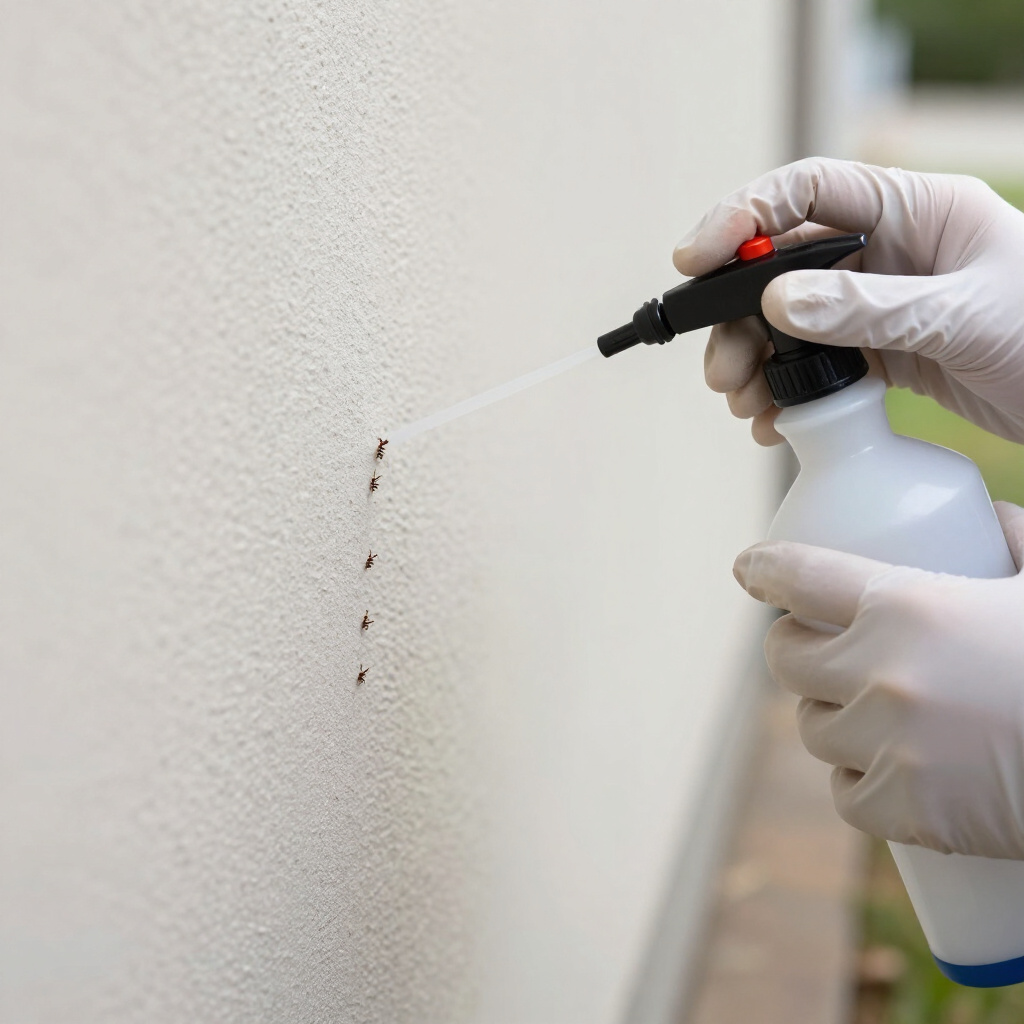


Pest Control Services in Bel Aire, KS
Bel Aire sits in northeast Sedgwick County, combining established neighborhoods with newer developments near Wichita's urban edge. This location creates distinct pest pressures that differ from rural Kansas communities and dense urban centers alike. Residents here contend with pests that thrive in suburban transition zones—where mature trees, irrigated lawns, and proximity to open fields create multiple habitat opportunities.
The Big Arkansas River corridor lies just west of Bel Aire, contributing seasonal moisture that supports mosquito populations and draws wildlife that carry fleas and ticks. Summer humidity regularly pushes above 60%, accelerating termite swarm activity and creating favorable conditions for carpenter ants and occasional invaders like millipedes and earwigs. Winter temperature swings—common in this region—drive rodents and overwintering insects into wall voids and attics as they seek stable environments.
Home construction in Bel Aire spans several decades, meaning pest vulnerabilities vary significantly by neighborhood. Older homes near the original town center may have developed gaps, deteriorated crawl space vents, or aging termite barriers. Newer subdivisions built during rapid expansion years sometimes feature landscaping that contacts foundations, providing bridges for ants and termites, or drainage patterns that concentrate moisture against structures.
Local homeowners benefit from pest management that accounts for these specific conditions rather than generic approaches. Service plans typically address the seasonal cycle: spring termite swarming and ant colonization, summer mosquito and spider activity, fall rodent entry and stink bug congregation, and winter monitoring for ongoing infestations. Commercial properties along Webb Road and near the industrial corridor require additional consideration for food service, warehouse, and office environments.
Frequently Asked Questions About Pest Control in Bel Aire
What pests are most common in Bel Aire compared to other Wichita suburbs?
Bel Aire sees elevated termite pressure due to mature tree coverage and soil moisture patterns from nearby waterways. Argentine ants and odorous house ants dominate summer calls, while brown recluse spiders appear more frequently here than in western Sedgwick County communities. The suburban-woodland interface also brings occasional bat and wildlife issues less common in fully developed areas.
How does Bel Aire's location affect mosquito problems?
Properties near the Big Arkansas River floodplain experience extended mosquito seasons, often starting in April and continuing through October following late-season rains. Standing water in detention basins, ornamental ponds, and clogged gutters compounds the issue. Effective control requires source reduction combined with barrier treatments timed to species-specific activity periods.
Are termite inspections required for home sales in Bel Aire?
While Kansas does not mandate termite inspections by law, most lenders and buyers in Sedgwick County expect a Wood-Destroying Insect Report (WDIR) as part of real estate transactions. Bel Aire's established neighborhoods with mature landscaping particularly benefit from this documentation. Active termite findings can delay closings without proper treatment and damage repair documentation.
What should Bel Aire residents do about rodents entering homes in fall?
As temperatures drop in October and November, house mice and Norway rats exploit foundation gaps, garage door seals, and utility penetrations. Bel Aire homes with attached garages or those backing to greenbelts face heightened risk. Sealing entry points larger than one-quarter inch, trimming vegetation from foundations, and removing birdseed or pet food storage from garages significantly reduce intrusion potential before professional intervention becomes necessary.