

Termites are remarkably skilled at staying hidden. By the time many homeowners notice something is wrong, these silent destroyers have already caused extensive damage behind walls, beneath floors, and inside wooden structures. Knowing the early warning signs can save you thousands of dollars in repairs and protect the structural integrity of your home. Here is what to watch for so you can catch an infestation before it spirals out of control.
Signs You May Have Termites in Your Home
Termites leave behind subtle clues as they tunnel through wood and expand their colonies. Learning to recognize these indicators is your first line of defense. One of the most telling signs you may have termites is the presence of mud tubes along your foundation, walls, or crawl spaces. Subterranean termites build these pencil-thin tunnels from soil, wood particles, and saliva to travel safely between their underground nest and food sources while maintaining the moisture they need to survive. Break open a mud tube, and you may find active termites inside. Even if the tube appears empty, the colony could simply be exploring elsewhere.
Another unmistakable warning is hollow-sounding wood. Termites consume wood from the inside out, leaving a thin veneer of paint or wood grain intact while hollowing out the interior. Tap on baseboards, window sills, door frames, and wooden floors with the handle of a screwdriver. If the wood sounds papery or hollow, termites may have been feasting inside for months or even years. You might also notice blistering or darkening on wood surfaces, which occurs when termite galleries create air pockets just below the surface.
Discarded wings near windowsills, doorways, or light fixtures signal a recent termite swarm. Reproductive termites, called swarmers, emerge in spring to mate and establish new colonies. After their brief flight, they shed their wings in piles that resemble tiny fish scales. Finding these wings indoors is a strong indicator that a mature colony exists nearby, possibly within your home itself. Live swarmers fluttering inside your house are an even more urgent sign that requires immediate professional attention.
Frass, or termite droppings, is another critical clue. Drywood termites push their fecal pellets out of small kick-out holes near the entrances to their tunnels. These pellets look like tiny wood-colored grains or sawdust and often accumulate in small piles on floors, windowsills, or beneath infested furniture. Unlike subterranean termites, drywood species do not use mud tubes, so frass may be your only visible warning of their presence.
Subtle Structural and Environmental Clues
Beyond the obvious indicators, termites create disturbances that attentive homeowners can detect. Sticking doors and windows that suddenly become difficult to open or close may result from warped frames caused by termite damage and the moisture they introduce. This moisture can also cause paint to bubble, peel, or appear discolored in irregular patterns. Similarly, sagging floors, buckling laminate, or loose tiles might indicate underlying wood damage that has compromised the subfloor structure.
Your yard can reveal termite activity before they ever reach your house. Inspect tree stumps, firewood stacks, and wooden fence posts for soft, crumbling wood or mud tubes. Dead trees with hollow trunks often harbor mature colonies. Wood mulch placed directly against your foundation creates an attractive bridge for foraging termites and can mask early signs of their approach. Elevating firewood at least twenty feet from your home and keeping mulch several inches away from the foundation reduces both risk and concealment.
Listen carefully in quiet moments. Soldier termites sometimes produce a faint clicking or rattling sound by banging their heads against tunnel walls to signal danger to the colony. You may also hear a soft rustling as workers move through galleries. Press your ear against suspect walls, especially at night when household noise subsides, and you might detect these subtle auditory clues.
What to Do If You Notice These Warning Signs
Acting quickly preserves your options and minimizes damage. Start by documenting everything you observe: photographs of mud tubes, wing piles, frass, or damaged wood. Note locations and dates so professionals can assess the scope accurately. Avoid disturbing active mud tubes extensively, as this can cause termites to retreat deeper into hidden areas and complicate treatment.
Schedule a professional inspection promptly. Licensed pest control specialists possess the tools and training to distinguish termite damage from carpenter ant activity, wood-boring beetle infestations, or moisture-related deterioration. They use moisture meters, infrared cameras, and probing devices to locate colonies that remain completely invisible to untrained eyes. An inspection also identifies vulnerable conditions around your property, such as wood-soil contact, foundation cracks, or drainage problems that invite future infestations.
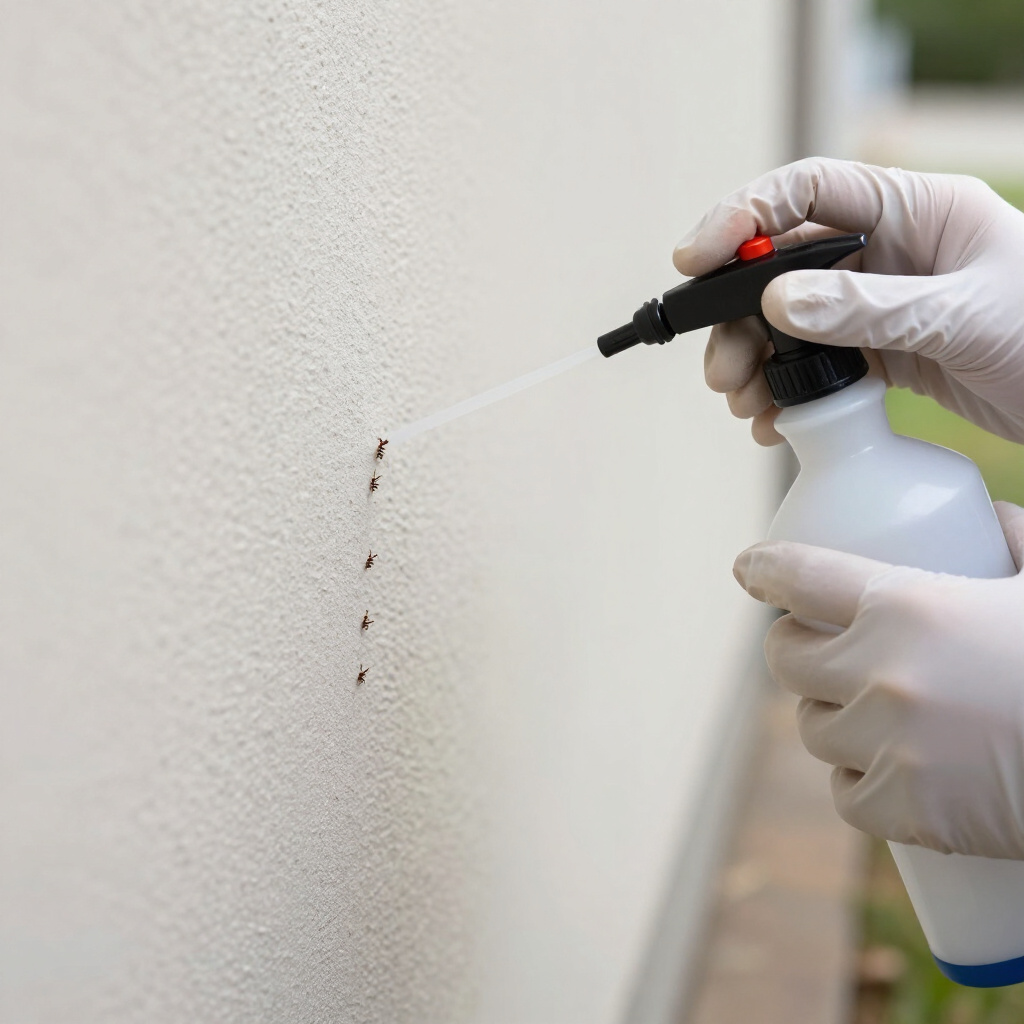
Resist the temptation to apply over-the-counter sprays or home remedies as your sole response. Surface treatments rarely reach the core colony and may scatter termites into new areas of your home, making professional eradication more complex and costly. The most effective treatments, whether liquid barrier applications, baiting systems, or fumigation for drywood species, require specialized equipment and expertise to administer safely and successfully.
Final Thoughts
Termites cause more property damage annually than fires, floods, and storms combined, yet standard homeowner's insurance typically excludes coverage for their destruction. This reality makes vigilance and early detection essential investments in protecting your property. The signs you may have termites are often subtle, but they are discoverable when you know what to look for and where to search.
Establish a routine inspection habit twice yearly, ideally in spring when swarming peaks and again in fall. Walk your property's perimeter, probe suspicious wood, examine crawl spaces with a flashlight, and remain attentive to changes in how doors, windows, and floors behave. Partner with a trusted pest control professional for annual inspections, especially if your home has experienced previous termite activity or sits in a high-risk region.
Your home represents one of your most significant investments. The few minutes spent learning these warning signs and conducting periodic checks can prevent the devastating discovery of advanced termite damage. Stay observant, act decisively when clues appear, and maintain professional partnerships that keep your property protected for years to come.