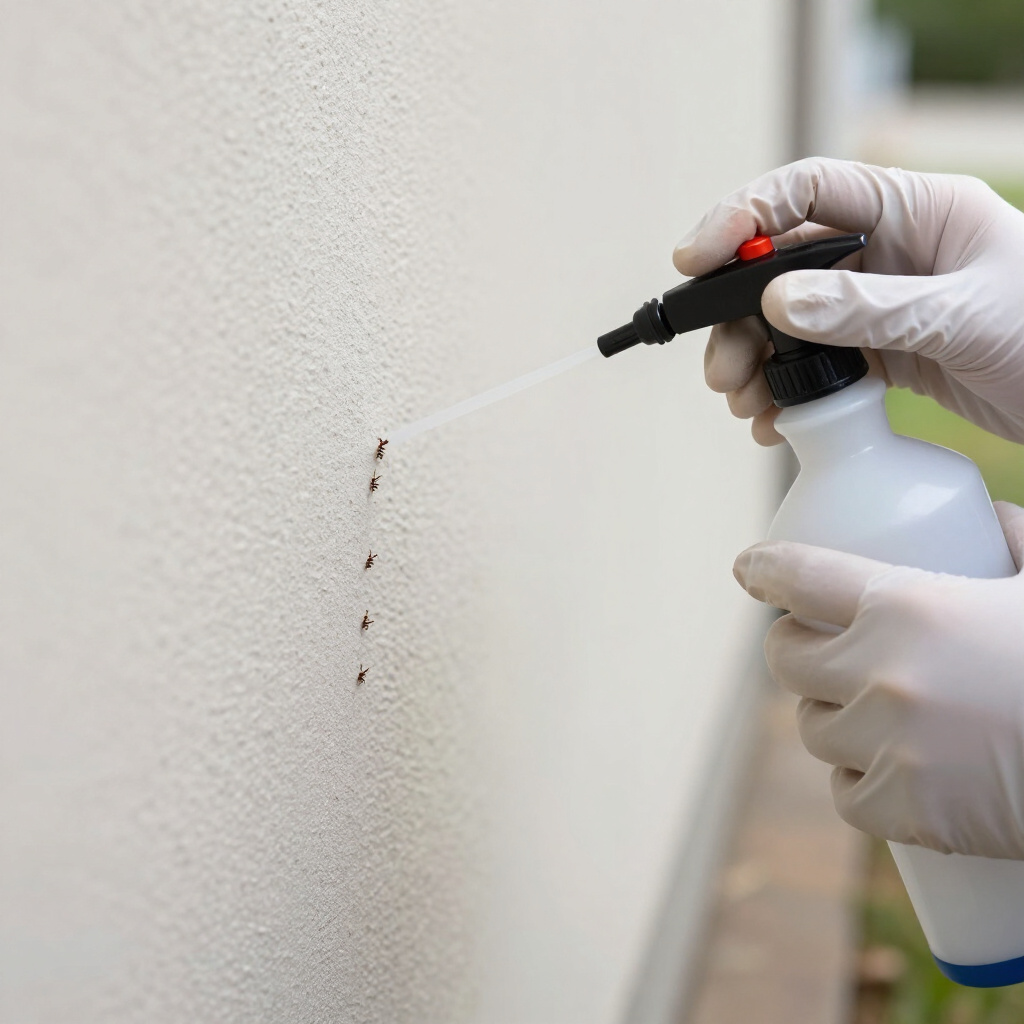


Pests don't take a vacation—and neither should your home protection plan. From ants marching through your kitchen in spring to rodents seeking shelter in your attic come winter, every season brings its own pest challenges. Staying ahead with a proactive approach saves you stress, protects your property, and keeps your family comfortable year-round. Here's your complete seasonal pest control checklist to help you stay one step ahead of unwanted visitors.
Seasonal Pest Control Starts with Spring Preparation
As temperatures rise and nature reawakens, pests emerge from their winter hiding spots with one thing on their minds: finding food and establishing new colonies. Spring is arguably the most critical time to establish your defensive perimeter.
Start with a thorough exterior inspection. Walk around your home and examine the foundation, siding, and roofline for cracks, gaps, or damaged areas that could serve as entry points. Pay special attention to where utility lines enter your home—these are common highways for insects and rodents. Seal any openings larger than a quarter-inch with appropriate materials like caulk, steel wool, or concrete patching compound.
Your landscaping choices matter more than you might think. Trim shrubs and tree branches so they don't touch your home's exterior, creating natural bridges for pests. Maintain a mulch-free zone of at least six inches around your foundation, as organic mulch provides ideal harborage for termites, ants, and millipedes. Instead, consider using gravel or rubber mulch in these critical areas.
Inside, focus on moisture control. Repair leaky faucets, ensure bathroom vents work properly, and check that your basement or crawl space has adequate drainage. Many spring pests, including silverfish, cockroaches, and springtails, are drawn to damp environments. Installing or servicing a dehumidifier in humid areas can dramatically reduce your attractiveness to these moisture-loving invaders.
Don't forget your gutters. Clogged gutters overflow and saturate your fascia boards and soffits, creating rot that carpenter ants and termites find irresistible. Clean them thoroughly and ensure downspouts direct water well away from your foundation.
Summer Vigilance and Fall Prevention Strategies
Summer brings peak pest activity, with warm temperatures accelerating breeding cycles and extending foraging hours. Mosquitoes, wasps, flies, and outdoor ants become constant companions—unless you take deliberate action.
Source reduction is your most powerful summer strategy. Eliminate standing water where mosquitoes breed: flowerpot saucers, birdbaths, clogged drains, and children's toys left in the yard. Refresh water features weekly, and consider mosquito dunks for ponds or rain barrels. For wasp prevention, inspect eaves, porch ceilings, and outbuildings weekly for early nest construction. A quarter-sized wasp nest is easily eliminated; a football-sized colony requires professional intervention.
Your garbage management deserves special attention in summer heat. Use bins with tight-fitting lids, rinse recyclable containers before disposal, and consider storing outdoor garbage in a sealed shed or garage until collection day. The aroma of decaying organic matter travels surprising distances, advertising your home to flies, ants, and larger wildlife.
As summer transitions to fall, pest behavior shifts dramatically. Cooling temperatures trigger survival instincts, and your warm home becomes increasingly attractive. This is your window to install door sweeps, repair window screens, and add chimney caps before the migration begins in earnest. Stink bugs, boxelder bugs, and cluster flies are notorious fall invaders that exploit every unsealed entry.
Firewood deserves particular scrutiny. Store it at least twenty feet from your home and five inches off the ground. Woodpiles harbor termites, carpenter ants, mice, and snakes—none of which should transfer easily to your living space. Only bring inside what you'll burn within a few days.
Key Tips for Winter Protection and Year-Round Maintenance
Winter doesn't mean pest problems disappear—it means they move indoors with you. Rodents are the primary winter concern, but cockroaches, spiders, and overwintering insects can also become active inside your climate-controlled home.
Conduct your most intensive interior inspection as cold weather arrives. Check kitchen cabinets, pantry areas, and behind appliances for droppings, gnaw marks, or grease trails. Install traps in garages, basements, and attics as monitoring devices—even if you haven't seen activity. Early detection prevents full-blown infestations that are far more difficult to resolve.
Food storage discipline matters enormously in winter when outdoor foraging options vanish. Transfer dry goods to glass or heavy plastic containers with tight seals. Clean pet food bowls nightly rather than leaving them out. Sweep floors and wipe counters daily, eliminating the crumbs that sustain indoor pest populations when natural food sources dwindle.
Your year-round maintenance routine should include quarterly professional inspections, or at minimum, your own systematic walkthroughs. Document what you observe—patterns emerge over time that reveal vulnerabilities specific to your property. Perhaps your north-facing foundation stays damp, or your mature oak drops acorns that attract wildlife every October. Understanding your home's unique pest pressure points allows targeted, efficient prevention rather than reactive scrambling.
Finally, resist the temptation to ignore occasional sightings. One mouse in November rarely means one mouse. One cockroach in your kitchen suggests dozens hidden in wall voids. Addressing problems when they're small preserves your peace of mind and protects your investment.
Final Thoughts
Effective seasonal pest control isn't about dramatic interventions—it's about consistent, thoughtful attention to how your home interacts with the natural world around it. Each season offers specific opportunities to strengthen your defenses and address emerging vulnerabilities before they become serious problems.
The homeowners who enjoy truly pest-free living aren't luckier than others; they're simply more intentional. They understand that spring sealing prevents summer invasions, that summer vigilance reduces fall pressure, and that winter preparation determines next year's baseline. By following this seasonal pest control checklist, you join their ranks—protecting your home through knowledge, preparation, and timely action. When persistent or complex issues arise, partnering with a qualified pest management professional ensures problems are resolved thoroughly and safely, letting you focus on enjoying your home in every season.