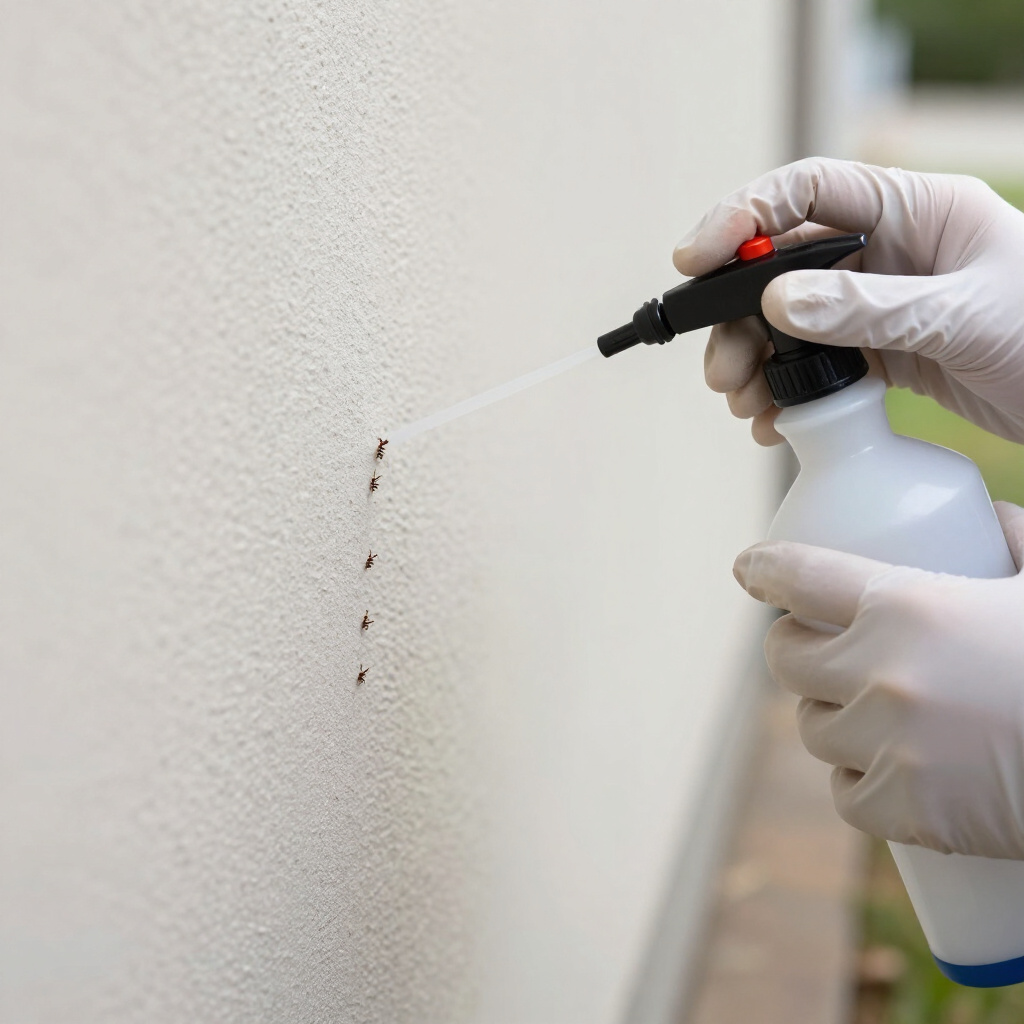


When ants march across your kitchen counter or aphids cluster on your tomato plants, reaching for a harsh chemical spray might feel like your only option. But more homeowners and gardeners are discovering that natural pest control methods can be surprisingly effective—without the worry of exposing family, pets, or beneficial insects to synthetic toxins. The key is knowing which approaches actually deliver results and how to use them strategically. Whether you're dealing with indoor invaders or garden pests, these proven techniques can help you reclaim your space naturally.
Natural Pest Control Methods That Actually Work in Your Home
Indoor pest problems require solutions that are safe for living spaces while still being potent enough to stop invaders in their tracks. Fortunately, several natural approaches meet both criteria.
Essential oil barriers rank among the most reliable natural deterrents. Peppermint oil confuses ants and spiders by disrupting their scent trails, while tea tree oil and eucalyptus repel a broader range of crawling insects. Mix fifteen drops with water in a spray bottle and apply along baseboards, window sills, and entry points. Reapply every few days, as these oils evaporate faster than synthetic pesticides.
Food-grade diatomaceous earth offers genuine killing power against soft-bodied insects like roaches, silverfish, and bed bugs. This powdery substance consists of fossilized algae with microscopic sharp edges that damage the waxy coating insects need to retain moisture. Sprinkle a thin layer in wall voids, behind appliances, and along basement perimeters. Always choose food-grade rather than pool-grade, and wear a mask during application to avoid irritating your lungs. The powder remains effective until it gets wet, making it ideal for dry, hidden spaces.
Vinegar solutions excel at disrupting ant colonies and cleaning away the scent markers that attract new foragers. A fifty-fifty mixture of white vinegar and water destroys these chemical trails on contact. For fruit fly infestations, set out small dishes of apple cider vinegar covered with plastic wrap poked with tiny holes—the fermentation scent lures them in, and they cannot escape.
Physical exclusion matters just as much as any treatment. Seal cracks with caulk, install door sweeps, and repair torn window screens. Even the most effective natural pest control methods that actually work will struggle if you're constantly rolling out the welcome mat for new invaders.
Natural Pest Control Methods That Actually Work in the Garden
Outdoor pest management presents different challenges, as you're working within complex ecosystems where beneficial insects play crucial roles. The goal becomes targeting harmful pests while preserving pollinators and predatory species that provide free biological control.
Neem oil stands out as one of the most versatile botanical insecticides. Derived from the seeds of the neem tree, this oil disrupts feeding and growth in over two hundred pest species including aphids, whiteflies, and squash bugs. It degrades quickly in sunlight, minimizing harm to beneficial insects when applied in early morning or evening. Spray thoroughly on leaf undersides where pests hide, and repeat every seven to ten days during active infestations.
Insecticidal soaps work through simple but effective chemistry. These potassium salts of fatty acids penetrate soft-bodied insects and disrupt cell membranes, causing dehydration within hours. They're particularly effective against aphids, spider mites, and young scales. The trick lies in complete coverage—soaps only kill insects they directly contact, so thorough spraying is essential. Avoid applying during hot, sunny conditions when rapid evaporation reduces effectiveness and may damage tender foliage.
Companion planting leverages natural plant relationships to confuse or repel pests. Marigolds release compounds from their roots that deter nematodes in soil. Nasturtiums act as trap crops, drawing aphids away from vegetables. Basil planted near tomatoes may reduce hornworm pressure. While companion planting alone rarely eliminates serious infestations, it meaningfully reduces pest pressure when integrated with other methods.
Beneficial insect habitats encourage natural predators to take up residence. Flowering plants like yarrow, dill, and fennel provide nectar and pollen for parasitic wasps and hoverflies whose larvae devour aphids. A shallow dish of water with pebbles gives thirsty beneficials a safe drinking spot. Rock piles and undisturbed ground cover offer overwintering sites for ground beetles that prey on soil-dwelling pests.
Key Tips for Success with Natural Approaches
Natural pest control demands more patience and precision than grabbing an all-purpose spray, but the long-term rewards justify the effort. These principles separate successful natural management from frustrating failures.
Identify before treating. Many gardeners destroy beneficial insects because they mistake ladybug larvae or lacewing eggs for pests. Spend time learning what you're actually dealing with before applying any intervention. Local extension services and reputable insect identification apps can help.
Start early and monitor regularly. Natural methods work best when pest populations remain small. A weekly garden inspection catches problems before they explode. Sticky traps in monitoring mode—not full-scale deployment—help track when pest numbers justify intervention.
Combine multiple tactics. Sustainable pest management rarely relies on a single method. Physical barriers like row covers prevent egg-laying on susceptible crops. Hand-picking works for larger, slower pests like tomato hornworms. Targeted sprays address remaining problems. This layered approach, called integrated pest management, makes natural methods far more effective than any standalone technique.
Accept some damage. Perfect produce requires synthetic interventions. Natural pest control means tolerating minor cosmetic blemishes on vegetables while maintaining plant health and productivity. This mindset shift reduces unnecessary treatments and supports garden biodiversity.
Store homemade preparations properly. Natural doesn't mean shelf-stable indefinitely. Essential oil sprays lose potency within days. Neem oil degrades when exposed to temperature extremes. Make small batches fresh and label containers with preparation dates.
Final Thoughts
Natural pest control methods that actually work do exist—you simply need realistic expectations and proper technique. The most successful practitioners combine several approaches, stay vigilant with monitoring, and accept that prevention and persistence matter more than quick chemical fixes. Whether you're protecting your kitchen from winter ant invasions or nurturing vegetables through summer pest pressure, these strategies offer genuine protection without the environmental and health concerns of synthetic alternatives. Start with one or two methods suited to your specific situation, observe results, and build your natural pest management toolkit over time. The learning process itself connects you more deeply with your home environment and the intricate relationships between plants, insects, and the broader ecosystem you're stewarding.