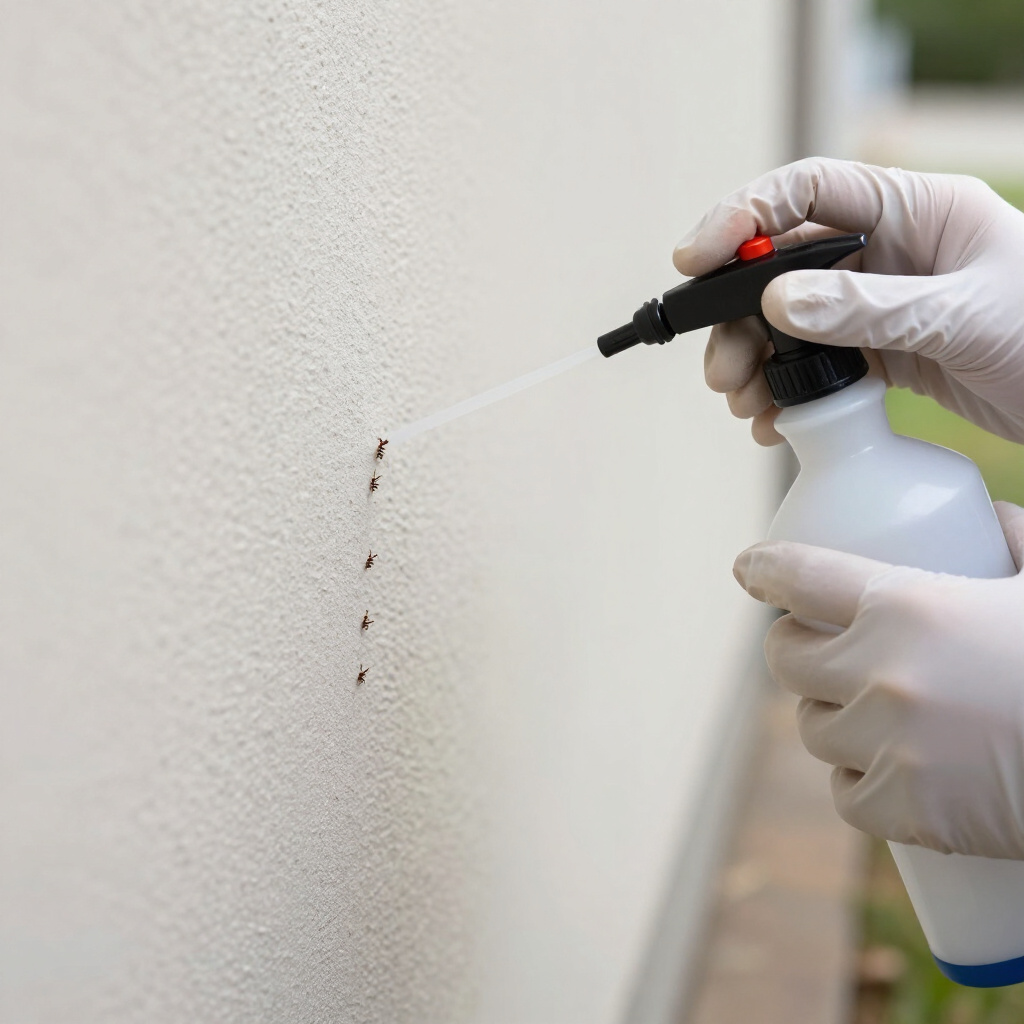


Nothing disrupts the comfort of home quite like discovering unwanted guests crawling through your kitchen or buzzing around your bedroom. Household pests are more than a nuisance—they can damage property, contaminate food, and in some cases, pose real health risks to your family. The good news? Most infestations are entirely preventable with the right knowledge and consistent habits. Whether you're dealing with an active problem or simply want to stay ahead of one, understanding which pests are most likely to invade—and why—puts you in the best position to protect your space.
The Most Common Household Pests and What Attracts Them
Ants, cockroaches, rodents, and termites top the list of household invaders across the country, each drawn indoors by specific conditions that homeowners often overlook.
Ants enter homes seeking food and moisture. Even the tiniest crumb or sticky residue can create a trail that hundreds of ants will follow. Sugar ants swarm to sweets, while grease ants target protein and oily foods. They're persistent, and once a scout finds something promising, the colony mobilizes quickly.
Cockroaches thrive in warm, humid environments with access to food and water. They hide in dark crevices during the day and emerge at night, making them difficult to detect until populations grow. Kitchens, bathrooms, and basements are their preferred territories.
Mice and rats squeeze through remarkably small openings—mice need just a dime-sized gap—to escape outdoor conditions and find shelter. Once inside, they nest in walls, attics, and storage areas, gnawing on wires, insulation, and wood while contaminating surfaces with droppings.
Termites operate silently, consuming wood from the inside out. They require moisture and cellulose-based materials, making foundations with wood-to-soil contact, damp crawl spaces, and water-damaged structures especially vulnerable.
Other frequent invaders include spiders (attracted by other insects), silverfish (drawn to humidity and starchy materials), and pantry pests like weevils and moths that hitch rides home in infested dry goods.
How to Prevent Household Pests From Taking Over
Prevention centers on eliminating the three things all pests need: food, water, and shelter. Address these systematically, and you dramatically reduce your home's appeal to invaders.
Seal entry points. Inspect your home's exterior quarterly. Caulk gaps around windows and doors, repair torn screens, install door sweeps, and seal utility penetrations with steel wool and caulk. Pay special attention to where utilities enter and any cracks in the foundation. For rodents, remember: if a pencil fits through, a mouse can too.
Manage moisture. Fix leaky faucets, pipes, and appliances promptly. Ensure bathrooms and kitchens have adequate ventilation. Use dehumidifiers in damp basements and crawl spaces. Direct gutters and downspouts away from your foundation to prevent water accumulation that attracts termites and other moisture-loving pests.
Store food properly. Keep pantry items in airtight glass or thick plastic containers. Never leave pet food out overnight. Clean up crumbs and spills immediately, and wipe down counters and dining areas daily. Take garbage out regularly and use bins with tight-fitting lids both indoors and out.
Maintain your landscape. Trim shrubs and tree branches away from your home's exterior—branches touching your roof or walls act as bridges for ants, rodents, and spiders. Keep firewood stacked at least twenty feet from your house and elevated off the ground. Clear leaf litter and debris from around the foundation where pests hide and breed.
Declutter strategically. Cardboard boxes, paper stacks, and unused fabrics provide nesting material and hiding spots. Store items in plastic bins with lids, and periodically inspect storage areas for signs of activity.
Key Tips for Long-Term Pest Control Success
Consistency matters more than intensity when it comes to keeping pests away. Establish these habits to maintain a protective environment year-round.
Develop a seasonal inspection routine. In spring, check for swarmers and new ant activity. Summer requires vigilance with moisture and food storage. Fall is prime time for rodents seeking winter shelter—inspect and seal before temperatures drop. Winter is ideal for checking attics, basements, and less-frequented spaces where pests may be nesting undisturbed.
Learn to recognize early warning signs. Droppings, gnaw marks, shed wings, unusual odors, and scratching sounds in walls all indicate activity that requires prompt attention. The sooner you identify a problem, the easier and less expensive it is to resolve.
Be cautious with DIY chemical treatments. Over-the-counter sprays and baits can be effective for minor issues, but misapplication often disperses pests deeper into hiding or creates resistance. When in doubt, or when facing recurring problems, professional assessment ensures proper identification and targeted treatment.
Consider ongoing professional pest control for high-risk properties or previous infestation history. Scheduled perimeter treatments and monitoring provide an additional layer of defense that many homeowners find worthwhile for peace of mind.
Final Thoughts
Protecting your home from pests doesn't require paranoia—just purposeful, consistent action. By understanding what attracts the most common household pests and systematically removing those incentives, you create an environment where they simply cannot thrive. Start with the fundamentals: seal, clean, dry, and maintain. Most pest problems are preventable when homeowners stay attentive rather than reactive. Your home should be a sanctuary for your family, not a refuge for pests. Take these steps today, and enjoy the confidence that comes with genuine protection.