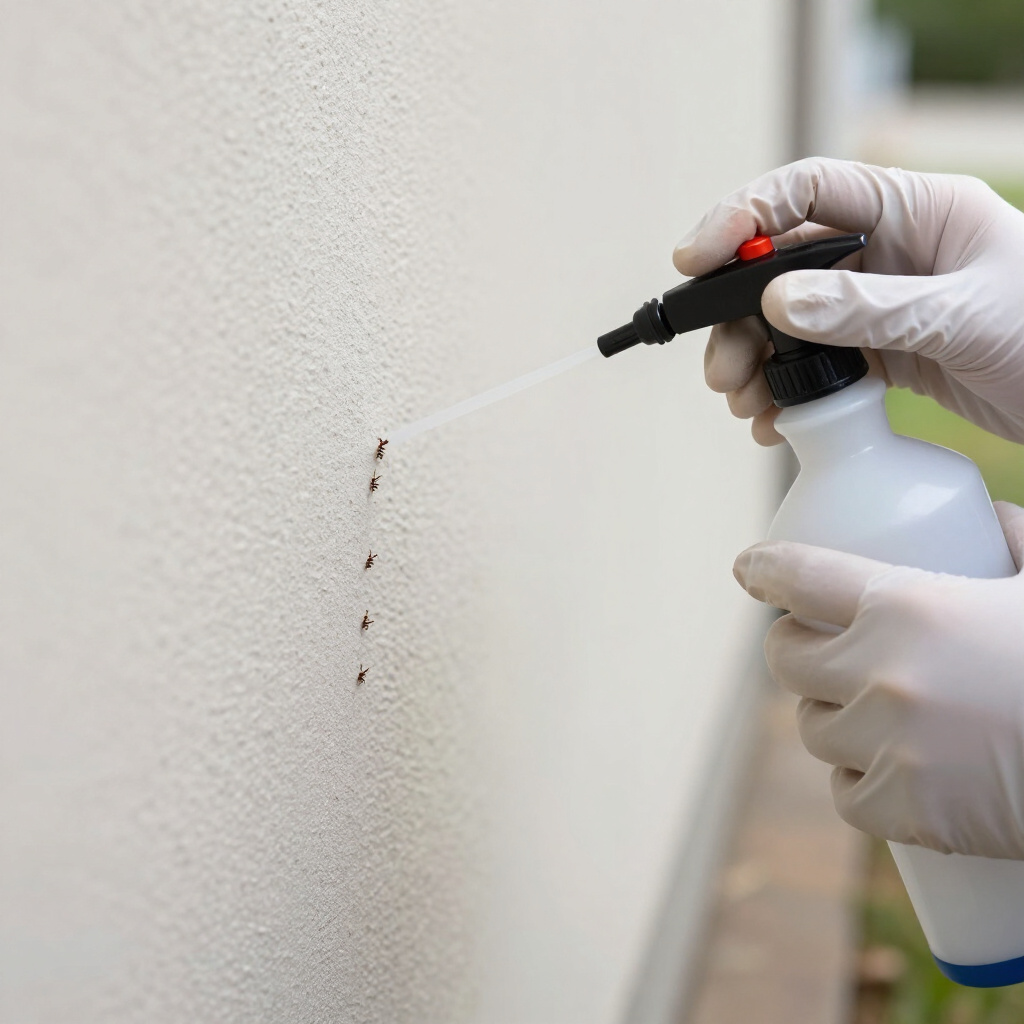


Few things are more frustrating than watching a steady column of ants march across your kitchen counter. One day your home is peaceful, and the next, it seems like every ant in the neighborhood has received an invitation to dinner. The good news? You don't have to accept this as inevitable. With the right approach, you can make your home far less appealing to these persistent invaders and keep them outside where they belong.
How to Prevent Ants From Invading Your Home Starts With Understanding Their Behavior
Ants don't randomly stumble into your living space. They're following chemical trails laid down by scout ants who've discovered something worth returning to—usually food, water, or shelter. This means that effective prevention requires thinking like an ant and eliminating what draws them in.
Most ant species common in residential areas, including odorous house ants, pavement ants, and carpenter ants, operate with the same basic motivations. They need reliable nutrition sources for their colonies, moisture to survive, and protected pathways to travel. Your home likely offers all three in abundance, which is why it's so attractive to them.
Understanding this helps you prioritize your efforts. Simply killing the ants you see won't solve the problem long-term because the colony remains active and will continue sending foragers. True prevention means making your home inhospitable at every level.
Seal Entry Points to Block Ant Access
Ants are remarkably resourceful at finding ways inside. They can squeeze through cracks as small as one millimeter—roughly the thickness of a credit card. A thorough inspection of your home's exterior is essential for identifying and sealing these vulnerabilities.
Start by examining the foundation, paying special attention to where utility lines enter the structure. Gaps around pipes, cables, and air conditioning lines are common entry points that homeowners overlook. Use silicone caulk for smaller cracks and expandable foam for larger gaps, but make sure any materials you choose are appropriate for the specific location and won't degrade over time.
Door sweeps and weather stripping around windows deserve attention too. These wear out faster than most people realize, creating easy access points near ground level. Don't forget to check vents and chimney openings, which should be covered with fine mesh screens that allow airflow while blocking insect passage.
Indoors, inspect baseboards, electrical outlets, and areas where pipes pass through walls. These internal pathways let ants move through your home efficiently once they've breached the exterior. Sealing these routes disrupts their travel patterns and makes it harder for scouts to establish successful trails.
Eliminate Food Sources That Attract Ants
Ants have an exceptional ability to detect food from considerable distances. Even tiny amounts of residue can draw attention from foraging scouts. Maintaining a scrupulously clean kitchen is your most powerful daily defense.
Store all dry goods in airtight containers with secure lids. This includes flour, sugar, cereals, pet food, and even items you might not consider tempting, like bread and crackers. Cardboard boxes and thin plastic packaging offer no real protection against determined ants.
Clean countertops, stovetops, and dining surfaces after every meal preparation. Crumbs and spills that seem insignificant to you represent a feast to an ant. Pay particular attention to sticky residues from honey, syrup, and juice, which ants find particularly attractive. A quick wipe with soapy water removes both the food source and any scent trails that might guide other ants to the spot.
Don't neglect less obvious food sources. Pet food bowls should be elevated on placemats that are cleaned regularly, and food shouldn't be left out overnight. Trash cans need tight-fitting lids, and garbage should be removed frequently. Even recycling bins can harbor attractants from unrinsed containers.
Regular vacuuming and sweeping throughout your home, not just in eating areas, removes stray crumbs and organic debris that might otherwise go unnoticed. Move appliances periodically to clean underneath and behind them, as these hidden spaces often accumulate forgotten food particles.
Manage Moisture to Discourage Ant Colonies
Water is equally important to ants as food, and many species are drawn to damp environments. Addressing moisture issues in and around your home removes another key attraction.
Fix leaky faucets, pipes, and appliances promptly. Even slow drips create consistent water sources that ants will exploit. Check under sinks regularly for signs of moisture accumulation, and ensure proper ventilation in bathrooms and laundry areas to reduce humidity.
Outdoors, direct water away from your foundation through proper grading and functioning gutters. Eliminate standing water in plant saucers, bird baths, and other containers. Trim vegetation away from exterior walls to improve air circulation and reduce dampness against the structure.
Certain ant species, particularly carpenter ants, are especially associated with moisture-damaged wood. Addressing water intrusion and repairing rotted structural elements removes preferred nesting sites and protects your home's integrity simultaneously.
Key Tips for Maintaining an Ant-Free Home
Consistency matters more than intensity when it comes to ant prevention. Establishing regular habits will protect your home far better than occasional deep cleaning followed by neglect.
Inspect your home seasonally, ideally in early spring before ant activity peaks. Look for new cracks, deteriorating seals, and any conditions that might have changed since your last check. Prevention is always easier than responding to an active infestation.
Consider your landscaping choices carefully. Mulch and dense ground cover near foundations create ideal nesting and harborage areas. Maintain a gap between soil or mulch and your home's siding, and keep plants pruned back from touching the structure. Some homeowners find that replacing organic mulch with stone or rubber alternatives near the foundation reduces ant activity.
Natural deterrents can provide supplementary protection. Substances like diatomaceous earth, available in food-grade formulations, can be applied in thin layers near entry points. This powder damages the waxy coating on ants' exoskeletons, causing dehydration. Vinegar solutions can disrupt scent trails, though they need frequent reapplication.
However, be realistic about the limitations of DIY approaches. While these measures help, they rarely resolve established infestations or address hidden colonies. Professional pest control services have access to more effective products and can identify problems that aren't visible to untrained observers.
If you do spot ants indoors, resist the urge to spray visible trails with over-the-counter insecticides. This often kills only the foragers and causes the colony to bud—splitting into multiple colonies that scatter throughout your home. Bait products, properly selected for the specific ant species, are generally more effective because foragers carry them back to the colony.
Final Thoughts
Learning how to prevent ants from invading your home is an ongoing practice rather than a single action. The most successful approach combines diligent sanitation, structural maintenance, moisture management, and strategic use of preventive treatments. Each element reinforces the others, creating multiple layers of protection that ants find difficult to overcome.
Remember that seeing an occasional ant doesn't mean you've failed. It means your prevention efforts are working well enough that individual scouts aren't finding what they need to establish trails. Stay consistent with your practices, address new vulnerabilities promptly, and don't hesitate to seek professional assistance when problems persist despite your best efforts.
A home that remains unwelcoming to ants requires attention, but the reward—a kitchen free of unwanted marching columns, food stores protected, and peace of mind restored—is well worth the effort. Start with the fundamentals outlined here, adapt them to your specific situation, and enjoy the comfort of a truly ant-free living space.