
There's nothing quite like that moment when you spot a spider scurrying across your living room floor or, worse, lowering itself on a silk thread right in front of your face. Whether you're genuinely arachnophobic or simply prefer your home spider-free, you're not alone in wanting to keep these eight-legged visitors outside where they belong. The good news? Keeping spiders out of your house doesn't require harsh chemicals or constant vigilance. With a few smart, consistent strategies, you can make your home far less appealing to spiders and enjoy greater peace of mind.
How to Keep Spiders Out of Your House by Sealing Entry Points
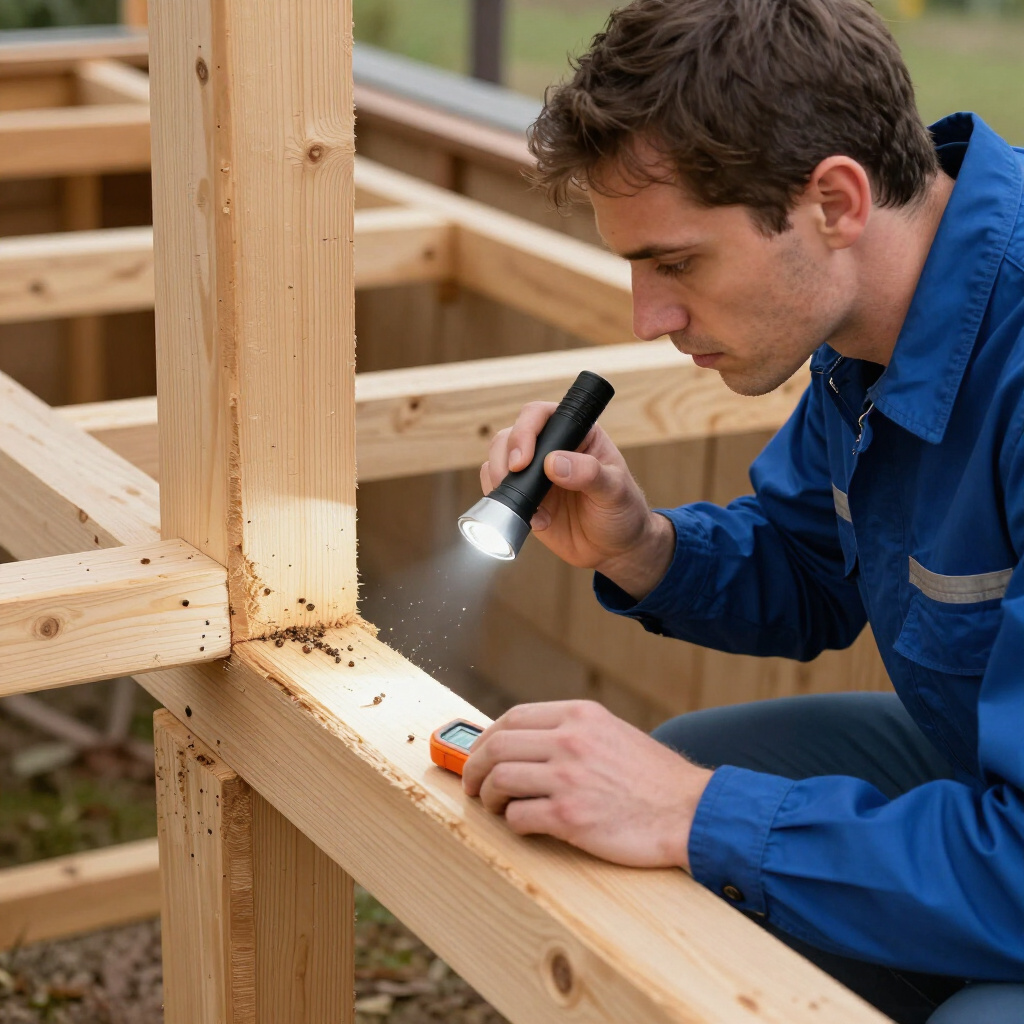
Spiders are remarkably skilled at finding their way indoors through gaps and cracks you'd never notice. The most effective long-term solution starts with making it physically difficult for them to enter. Begin with a thorough inspection of your home's exterior, paying special attention to areas where utilities enter, foundation cracks, and gaps around windows and doors.
Weatherstripping around doors and windows wears down over time, creating inviting entryways for spiders seeking shelter. Replace worn stripping and install door sweeps on exterior doors to eliminate ground-level gaps. Use caulk to seal cracks in your foundation, around pipe penetrations, and along window frames. Don't overlook vents and weep holes—these necessary openings can be covered with fine mesh screens that allow airflow while blocking spider access.
Inspect screens on windows and doors seasonally. Even small tears become highways for spiders and the insects they hunt. Repair or replace damaged screens promptly, and consider fitting attic vents, chimney openings, and crawl space entries with appropriate screening as well.
Remove What Attracts Them: Food, Shelter, and Moisture
Spiders don't invade homes randomly—they follow resources. Understanding what draws them inside helps you eliminate those attractions systematically.
First, address their food source. Spiders feed on insects, so a spider problem often signals an underlying pest issue. Reduce flying insects by replacing standard outdoor lighting with yellow or sodium vapor bulbs that attract fewer bugs. Keep kitchen counters clean, store food in sealed containers, and manage other household pests proactively. When insects disappear, spiders naturally seek hunting grounds elsewhere.
Clutter provides ideal spider harborage. Boxes, stacked newspapers, and little-used storage items create undisturbed spaces where spiders can establish themselves without disturbance. Keep storage areas organized, use plastic bins with tight lids instead of cardboard boxes, and regularly disturb quiet corners by vacuuming and decluttering.
Moisture attracts both spiders and their prey. Fix leaky faucets, ensure proper drainage around your foundation, and use dehumidifiers in damp basements or crawl spaces. Pay attention to bathrooms and laundry areas where humidity tends to accumulate. Proper ventilation and prompt leak repair make these spaces far less hospitable.
Landscaping and Exterior Maintenance Matter More Than You Think
Your yard and home exterior create either a bridge or a barrier to spider entry. Thoughtful maintenance significantly reduces indoor spider encounters.
Keep vegetation trimmed back from your home's walls and foundation. Shrubs, tree branches, and dense ground cover touching your house serve as natural pathways for spiders. Maintain at least a twelve-inch clearance between plants and your exterior walls, and keep firewood, compost bins, and rock piles well away from the house—these are prime spider habitats.
Clean gutters regularly to prevent debris accumulation that harbors insects and moisture. Ensure downspouts direct water away from your foundation. Consider replacing mulch immediately adjacent to your foundation with gravel or stone, which retains less moisture and attracts fewer insects.
Outdoor lighting placement deserves attention too. Position lights away from doorways and windows when possible, or use motion-activated fixtures that minimize constant illumination. The fewer insects clustering around your entrances, the fewer spiders will patrol those areas.
Key Tips for Ongoing Spider Prevention
Consistency transforms occasional efforts into reliable protection. Incorporate these practices into your regular household routine.
Vacuum thoroughly and frequently, targeting corners, behind furniture, along baseboards, and in ceiling junctions. This removes existing spiders, egg sacs, and the insect debris that attracts new hunters. Use vacuum attachments to reach high corners and tight spaces where brooms can't effectively clean.
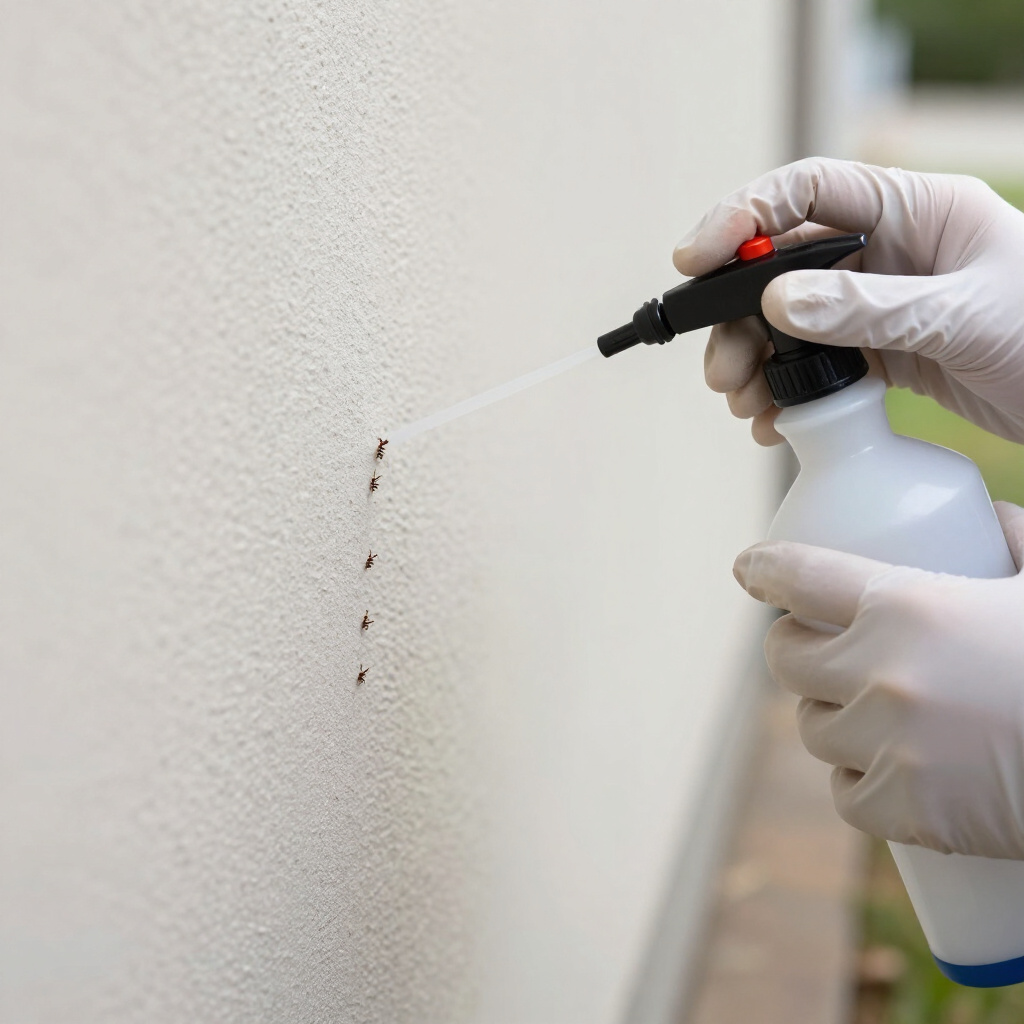
Natural deterrents offer supplementary help, though expectations should remain realistic. Essential oils like peppermint, tea tree, and eucalyptus have anecdotal support for repelling spiders when diluted and sprayed in entry areas. Vinegar solutions applied to surfaces may also discourage web-building. These won't solve an established problem alone, but can complement your broader strategy.
Manage your home's perimeter seasonally. In late summer and early fall, spiders actively seek winter shelter—this is when your prevention efforts matter most. Schedule thorough exterior inspections before this migration period, and reinforce any weakened seals or screens.
Know when professional intervention becomes appropriate. If you're seeing numerous spiders despite consistent efforts, encountering potentially dangerous species, or dealing with recurring heavy webs, a licensed pest control professional can identify hidden entry points, address underlying insect problems, and apply targeted treatments where DIY methods fall short.
Final Thoughts
Learning how to keep spiders out of your house combines multiple approaches into one cohesive strategy. Seal their pathways, eliminate what attracts them, maintain your property thoughtfully, and stay consistent with cleaning and monitoring. No single tactic provides complete protection, but together they create an environment where spiders simply have better options than your living room.
The goal isn't necessarily spider elimination from your life—spiders outdoors provide genuine ecological benefits by controlling insect populations. The goal is maintaining appropriate boundaries, keeping outdoor spiders outdoors, and preventing indoor conditions that allow populations to establish. With patience and persistence, you can enjoy a home that feels comfortably yours, with far fewer unexpected eight-legged encounters.