You've spotted the telltale signs—droppings in the pantry, chewed wires in the garage, or maybe that unsettling skittering sound behind the walls. Now comes the decision every homeowner faces: grab a can of spray from the hardware store, or pick up the phone and call in the pros. Both paths can lead to a pest-free home, but knowing when to choose DIY pest control versus hiring a professional can save you money, time, and unnecessary frustration. Let's walk through what you need to consider before making your move.
DIY Pest Control: When It Works and When It Doesn't
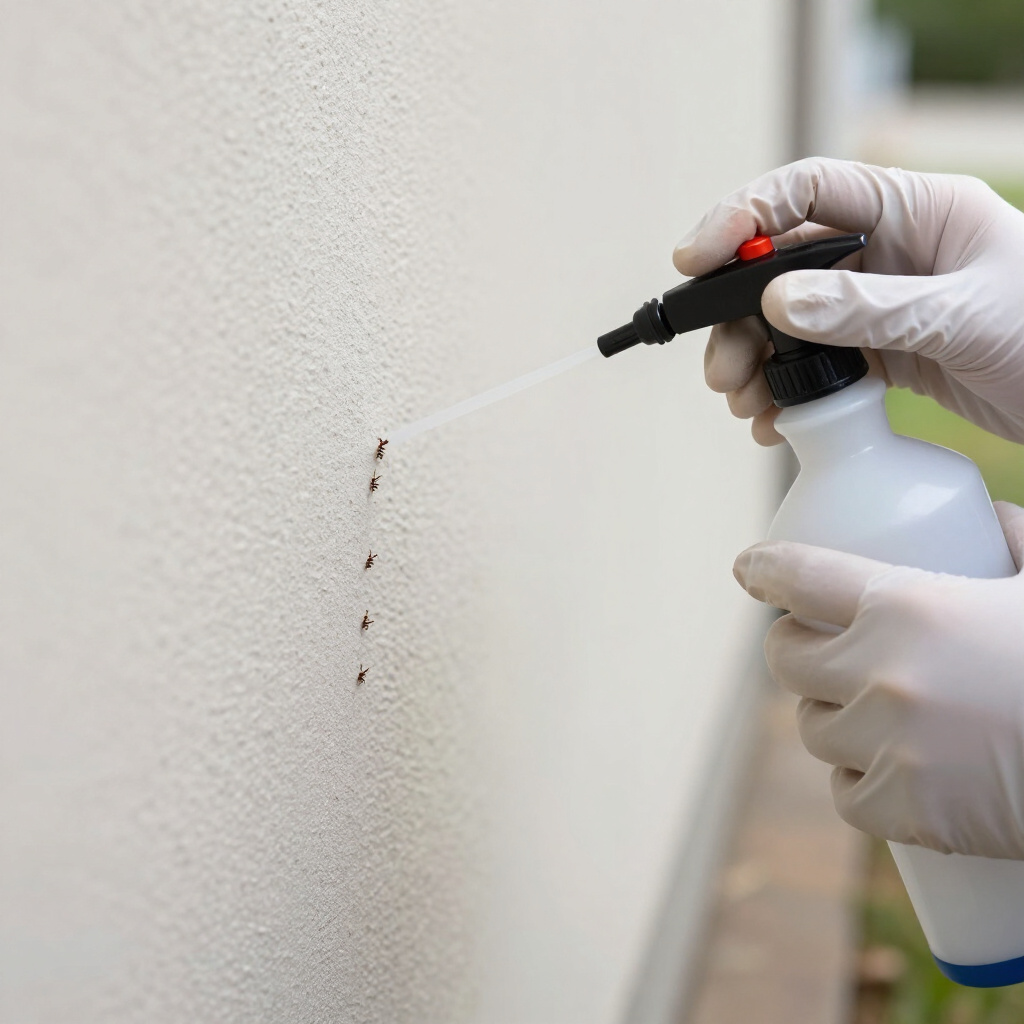
There's genuine satisfaction in handling household problems yourself, and for certain situations, DIY pest control is perfectly reasonable. Minor ant trails marching across your kitchen counter, the occasional spider in the basement, or a wasp nest that's small and accessible—these are scenarios where store-bought solutions often do the trick. Baits, traps, and perimeter sprays can manage low-level infestations without much fuss.
The appeal is obvious: lower upfront costs, immediate action, and no need to coordinate schedules with a service provider. Many homeowners appreciate knowing exactly what products are being used in their living spaces.
However, DIY approaches have meaningful limitations. Most over-the-counter products are formulated for prevention or very light pest pressure, not full-blown infestations. They rarely address root causes like entry points, nesting sites, or conducive conditions around your property. Perhaps most critically, misapplication is common—using too little wastes money; using too much creates health risks for your family and pets. And without proper identification, you might treat for the wrong pest entirely, giving the real invaders weeks or months to establish themselves more firmly.
When Professional Pest Control Becomes the Smarter Investment
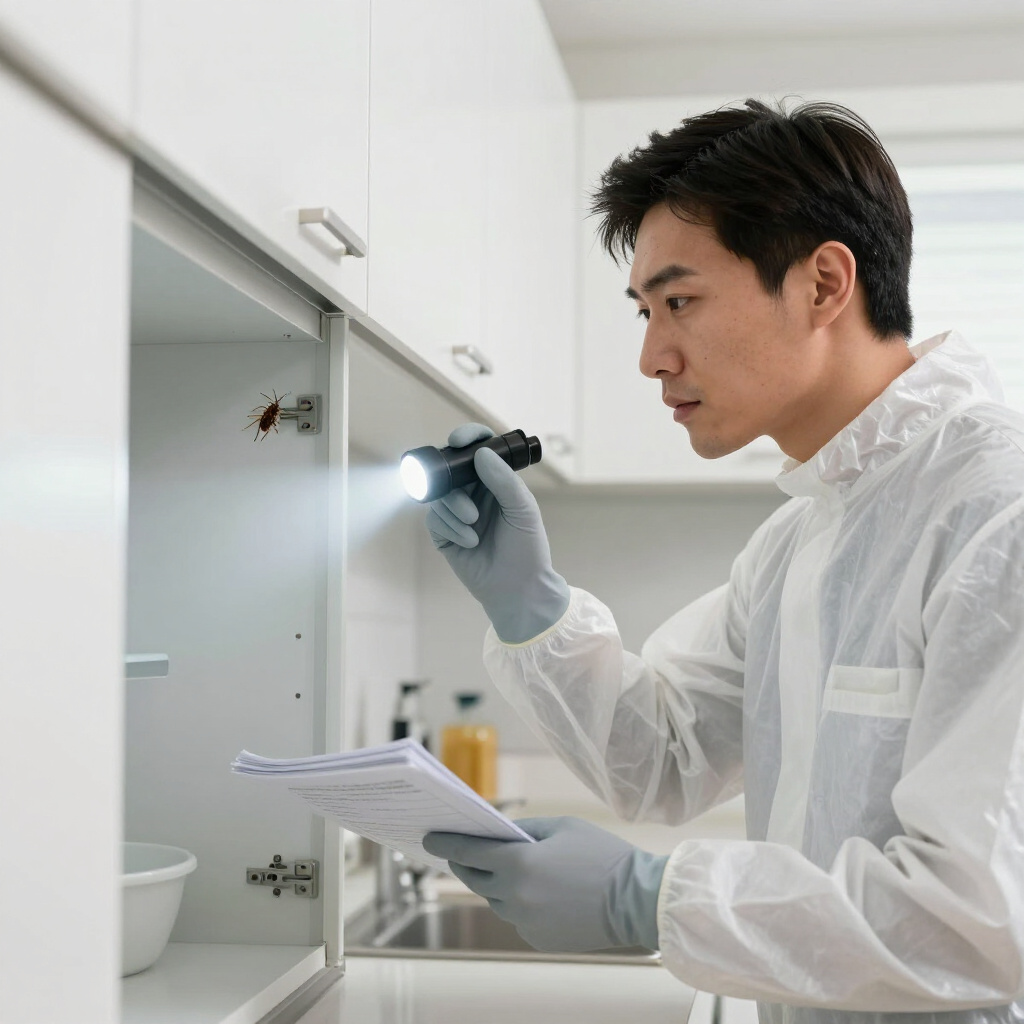
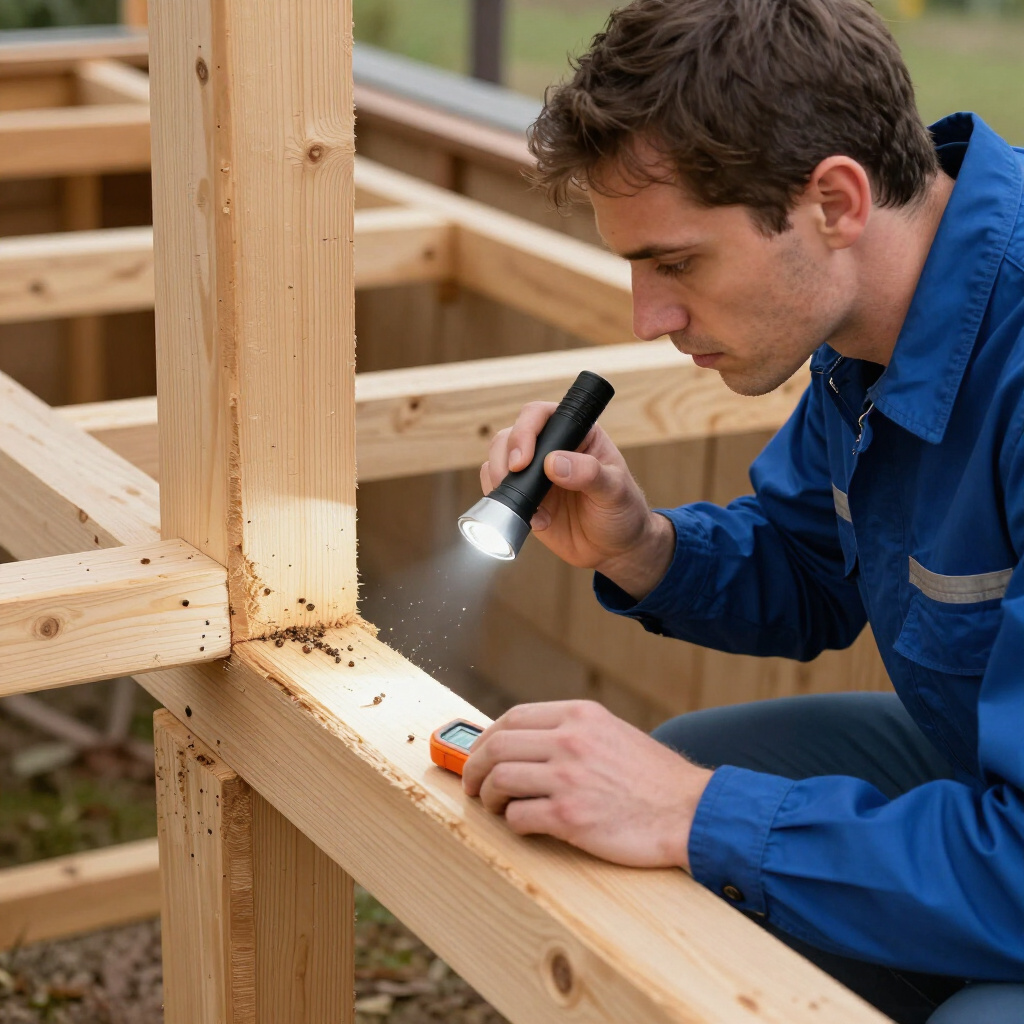
Some situations demand expertise that simply cannot be replicated with retail products. Extensive termite damage, bed bugs hiding in mattress seams and electrical outlets, rodents nesting inside wall voids, or recurring cockroach problems—these scenarios require specialized knowledge, professional-grade treatments, and often integrated approaches that combine multiple strategies.
Licensed technicians bring training in pest biology and behavior that informs where to look, what to apply, and how to prevent reinfestation. They have access to formulations and application methods not available to consumers, including targeted treatments that minimize chemical exposure while maximizing effectiveness. Professionals also understand the seasonal patterns and local pest pressures specific to your region, allowing for proactive rather than purely reactive management.
Consider the hidden costs of prolonged DIY attempts: repeated product purchases, property damage worsening while treatment fails, health impacts from unchecked infestations, and the sheer time investment of research and application. When you weigh these factors, professional pest control often delivers better long-term value despite higher initial expense.
Safety represents another crucial dimension. Certain pests—aggressive stinging insects, venomous spiders, wildlife carriers of disease—pose direct physical risks if approached without proper equipment and technique. Professionals carry protective gear and liability insurance for good reason.
Key Tips for Making the Right Choice
Before deciding your approach, assess your situation honestly. How extensive does the infestation appear? Have you spotted one mouse or evidence of an established colony? Are you seeing pests during daylight hours, which often indicates a larger population? Where are the signs concentrated—single room or widespread?
Start with a thorough inspection of your own. Look for entry points around utility lines, foundation cracks, damaged vents, and gaps under doors. Remove food sources, address moisture issues, and declutter storage areas. These foundational steps support any control method you choose and sometimes resolve minor problems without further intervention.
If you do attempt DIY pest control, always follow label directions precisely. Store products securely away from children and pets. Never mix different chemicals or use outdoor formulations indoors. Know when to stop—if you see no improvement after two weeks of proper application, or if the problem spreads, that's your signal to escalate.
When interviewing professional services, ask about their integrated pest management approach, licensing and insurance status, guarantees offered, and whether they provide detailed inspection reports. A reputable company will explain their reasoning clearly without pressuring you into unnecessary contracts.
Final Thoughts
Neither DIY pest control nor professional service is universally superior—the right choice flows from the specific pest, infestation severity, your comfort with chemicals, and your available time and budget. Small, isolated issues often respond well to diligent homeowner effort. Complex, extensive, or potentially dangerous situations merit professional expertise that protects your home's integrity and your family's wellbeing.
The most successful homeowners adopt a middle path: proactive prevention through good maintenance habits, confident handling of minor incidents, and the wisdom to recognize when expert help will actually cost less in the long run. Trust your observations, act promptly, and don't let pride delay calling for backup when the situation clearly exceeds your tools and knowledge. A pest-free home is the goal—how you get there matters less than getting there before small problems become expensive catastrophes.